
Miami
Where Global Capital, Culture, and Power Converge
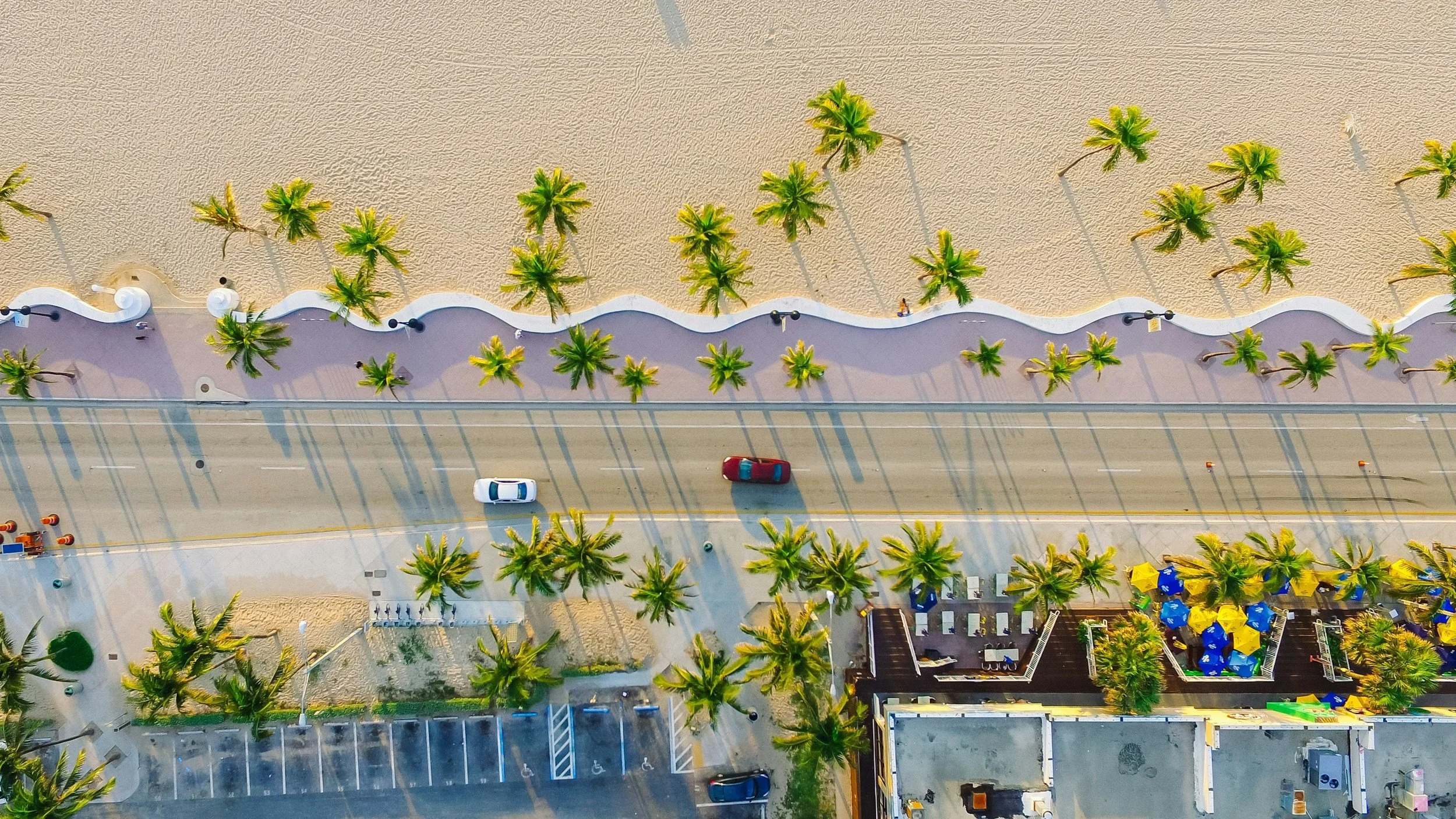
Why Miami Belongs in a Global Lifestyle Portfolio
Miami is no longer a “hot market.”
It is a global command center, where wealth moves, culture concentrates, and influences compounds.
For Private Residence International, Miami represents liquidity, visibility, and institutional confidence, the urban counterbalance to immersive lifestyle markets like Costa Rica.
Why Miami NOW
Miami’s rise is not cyclical. It is structural.
Miami is no longer dependent on tourism alone.
It functions as a primary city for global citizens
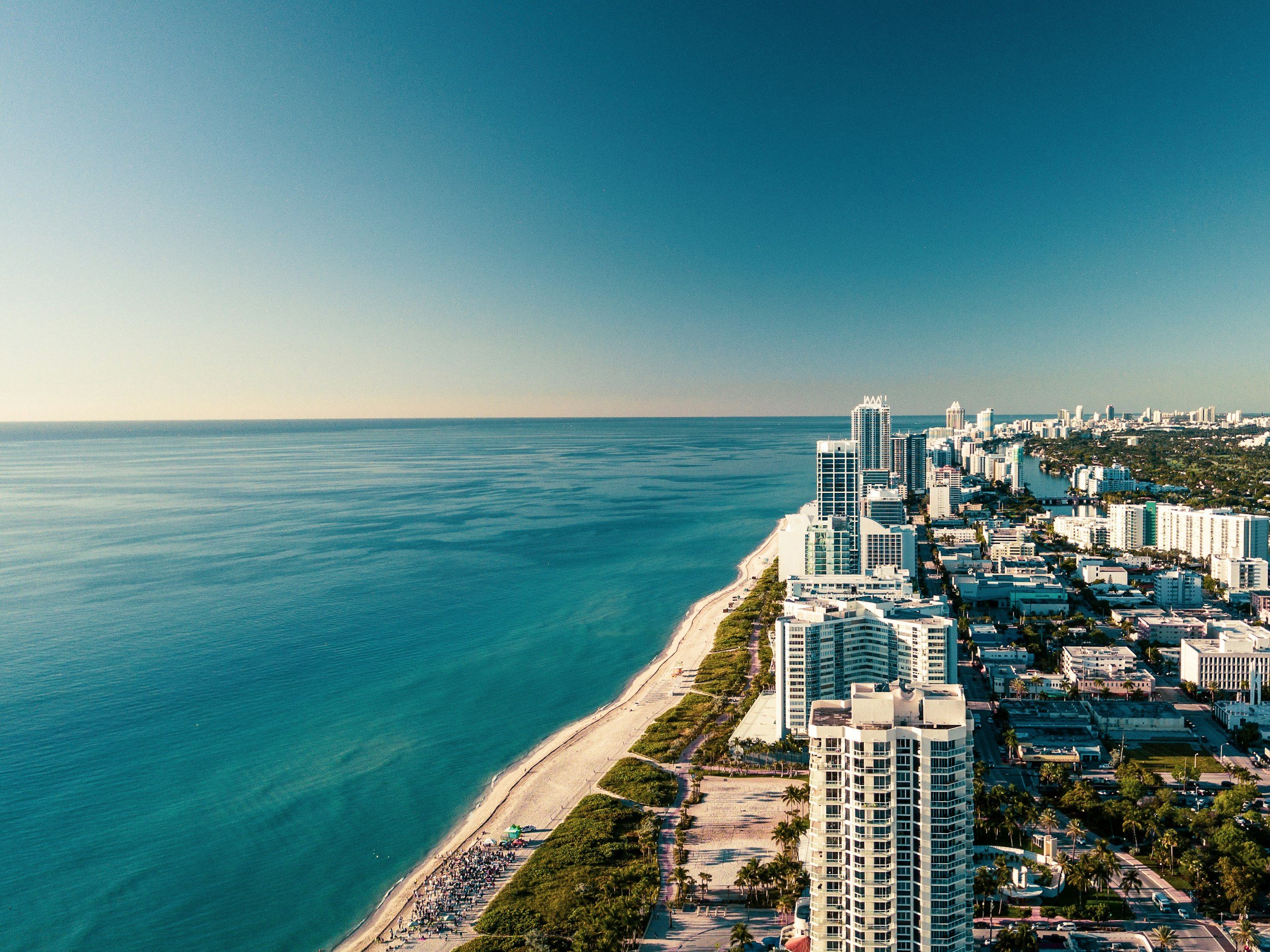
Permanent migration of high-net-worth individuals
Relocation of hedge funds, private equity, and family offices
Expansion of tech, finance, and global trade
A favorable tax and regulatory environment
Continuous international demand for U.S.-based assets
Billionaire Capital Has Chosen Miami
When the world’s most sophisticated capital relocates, it is not for novelty, it is for permanence.
Miami is now home to a concentration of long-horizon, institutional-grade wealth, including:
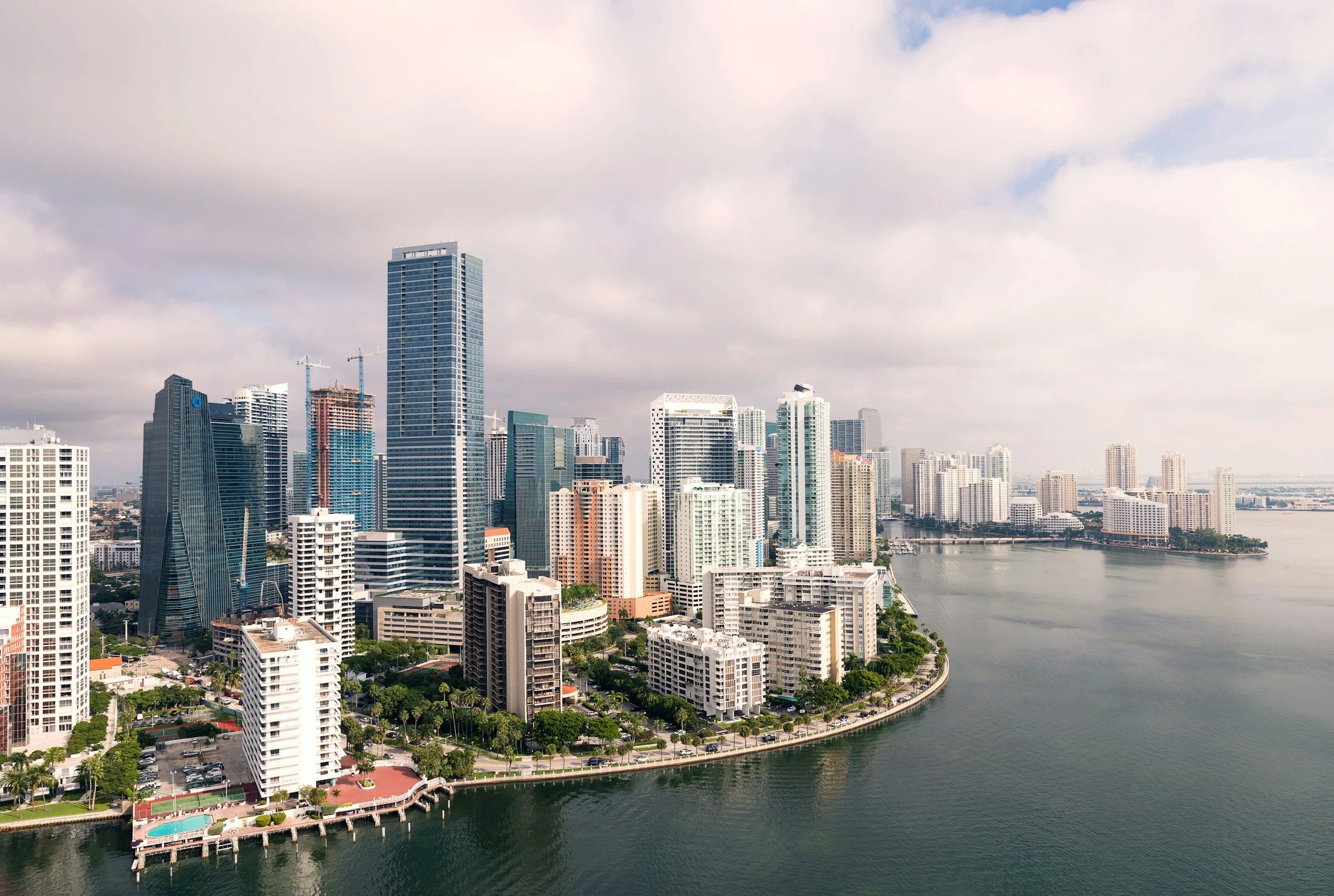
Ken Griffin
Founder of Citadel | Net Worth ~$50B
Relocated both his personal residence and Citadel’s headquarters to Miami, cementing the city as a global financial hub.
Peter Thiel
PayPal co-founder and early Facebook investor | Net Worth ~$28B
Among the first Silicon Valley leaders to establish a permanent base in Miami, signaling intellectual and technological capital migration.
Orlando Bravo
Co-founder of Thoma Bravo | Net Worth ~$12.8B
Represents disciplined private-equity capital with long-term commitment to Miami’s civic and cultural future.
What this signals:
Miami is no longer attracting visitors, it is attracting stewards.
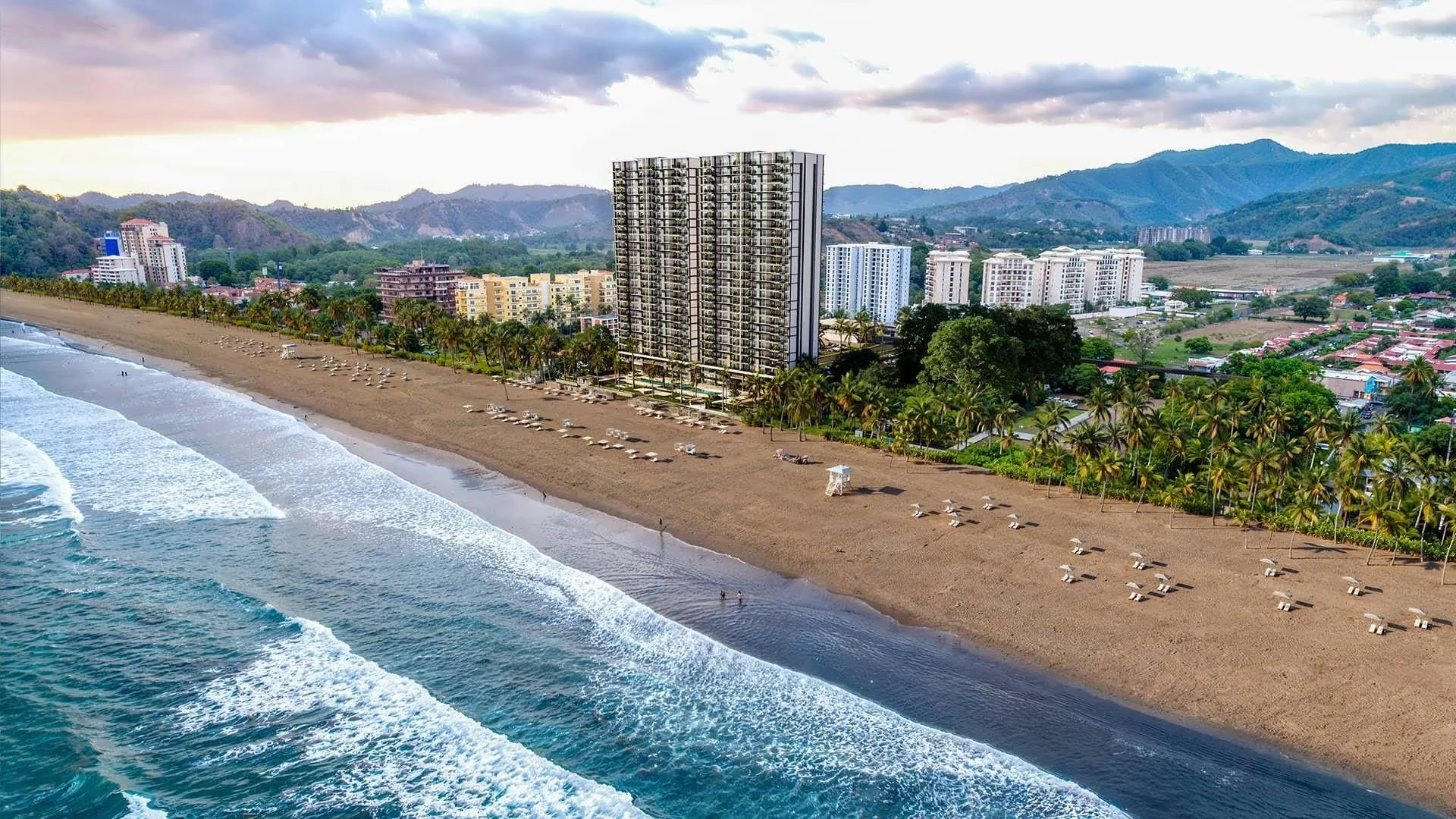
Why this matters to owners:
Brands create pricing discipline
They attract international buyers
They enforce design and service standards
They provide confidence at resale
Brand density is not aesthetic, it is institutional proof.
Institutional Confidence, Visible at Street Level
Miami hosts one of the highest concentrations of branded luxury residences in the world, including global names such as Waldorf Astoria and Four Seasons as well as unique residences such as Mercedes Benz and Dolce & Gabbana.
A City That Never Leaves the World Stage
Miami’s calendar is a permanent demand engine.
The city hosts:
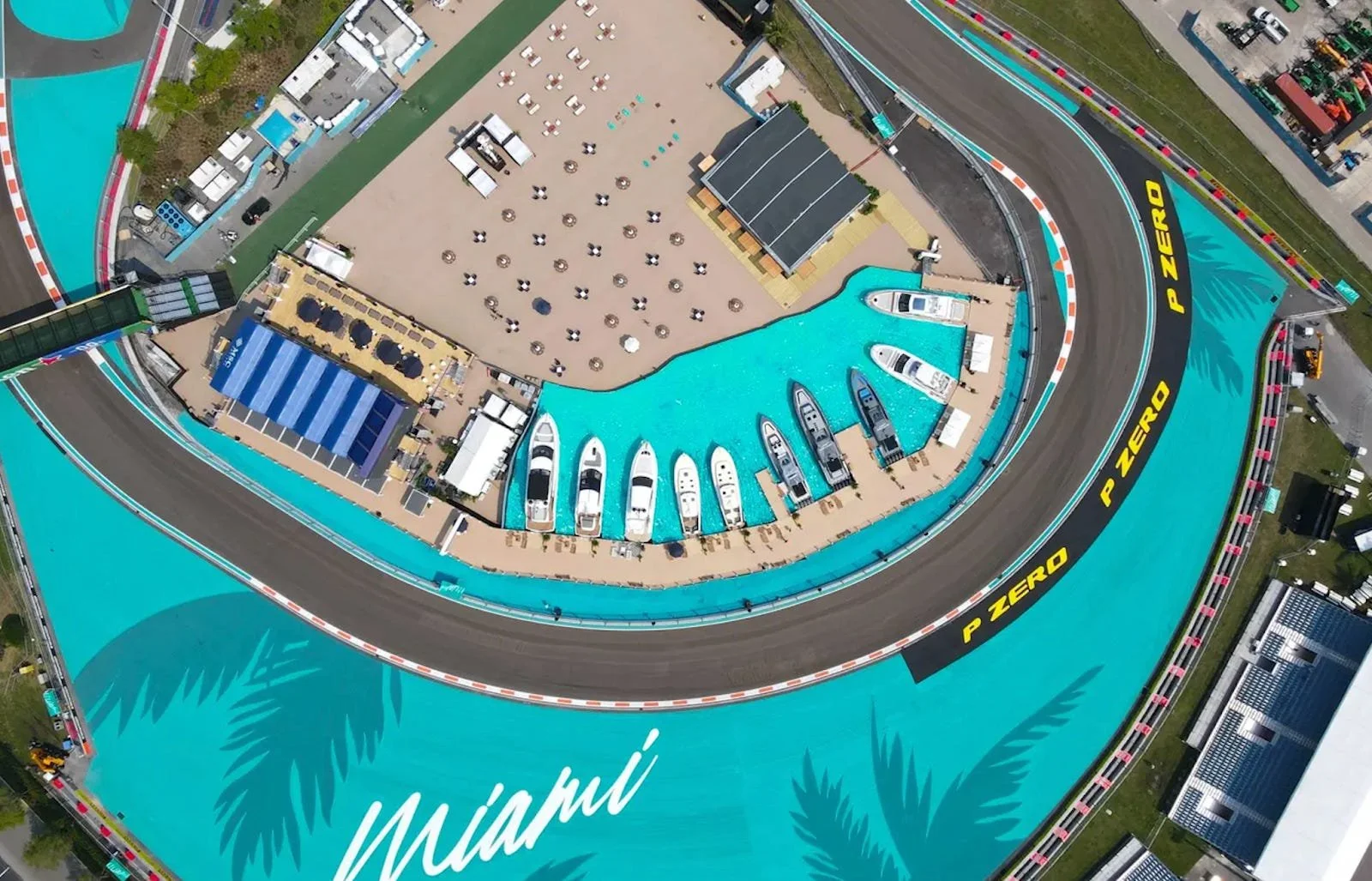
Formula 1 Miami Grand Prix
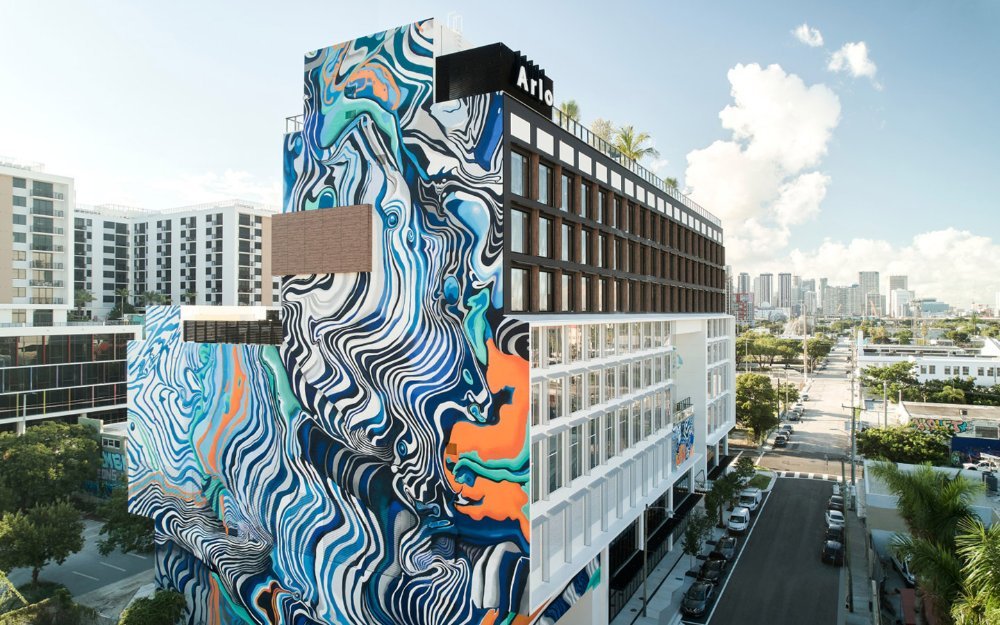
Art Basel Miami Beach
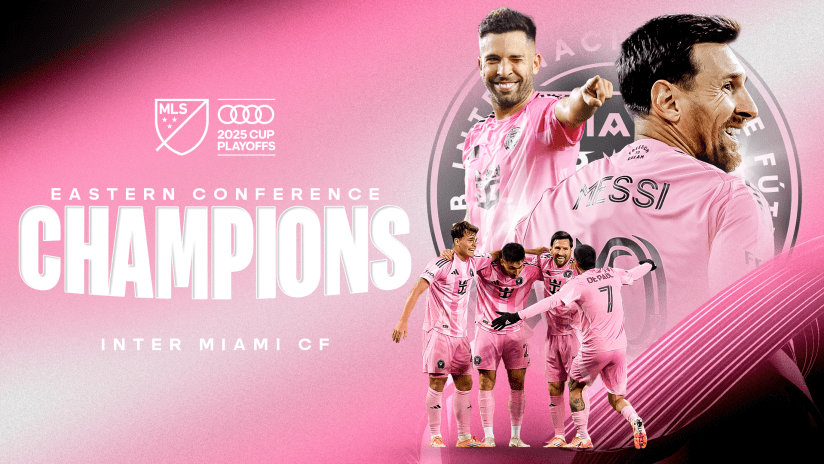
Home of Inter Miami CF
These global events drive:
Continuous international visitation
Media and cultural relevance
Strong luxury ownership demand
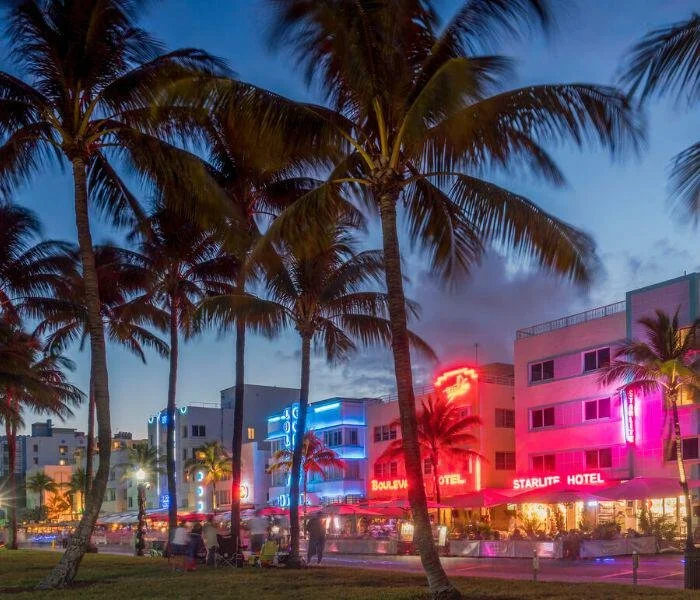
Few cities combine finance, sport, and culture at this scale.
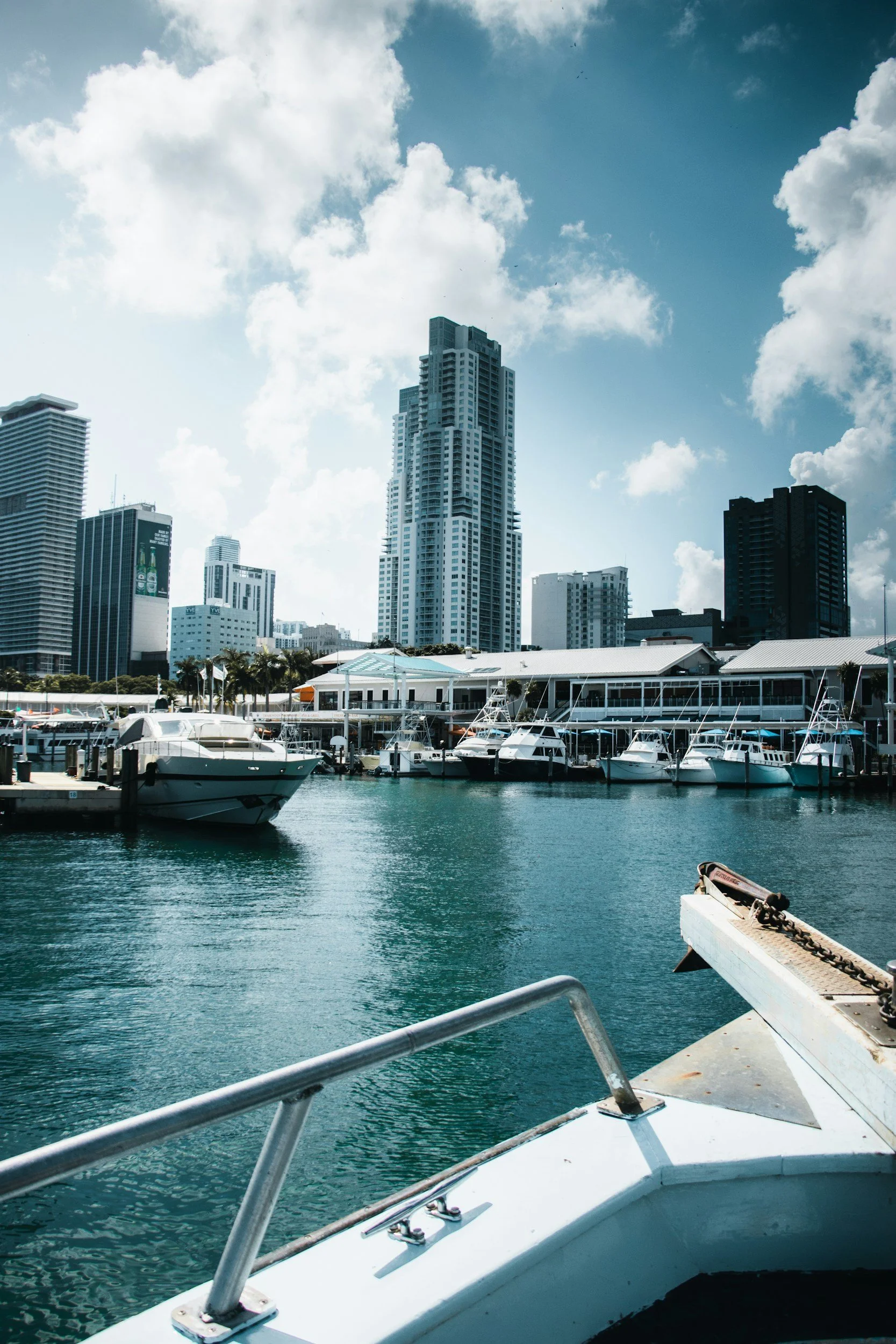
Miami is Ideal for
Globally mobile individuals and families
Buyers seeking U.S.-based asset exposure
Owners prioritizing liquidity and flexibility
Fractional buyers seeking institutional-grade markets
Those who value relevance, access, and visibility
Miami serves buyers who want optionality, not isolation.
Why Fractional Ownership works in Miami
Unlike resort markets, Miami benefits from non-seasonal global tourism, driven by:
International air connectivity
Business, leisure, and cultural travel
Cruise, yachting, and marine industries
Fashion, art, sport, and entertainment
This constant inflow supports one of the deepest luxury buyer pools in the world.
Access Over Excess
Miami is a city defined by movement.
Fractional ownership works here because:
Owners want presence without full-time use
Capital efficiency matters at every wealth level
Buyers split time across multiple global cities
Liquidity and optionality are priorities
Deeded fractional ownership allows buyers to:
Secure a foothold in a globally traded city
Align capital with real lifestyle use
Reduce concentration risk
Maintain flexibility at exit
In Miami, fractional ownership is not a compromise, it is a strategy.
Discernment in a Noisy Market
PRI curates assets where:
Brand, location, and developer credibility align
Ownership structures are clear and buyer-favorable
Fractional use enhances long-term value
Liquidity narratives are real, not theoretical
Miami is not a “buy-anything” city.
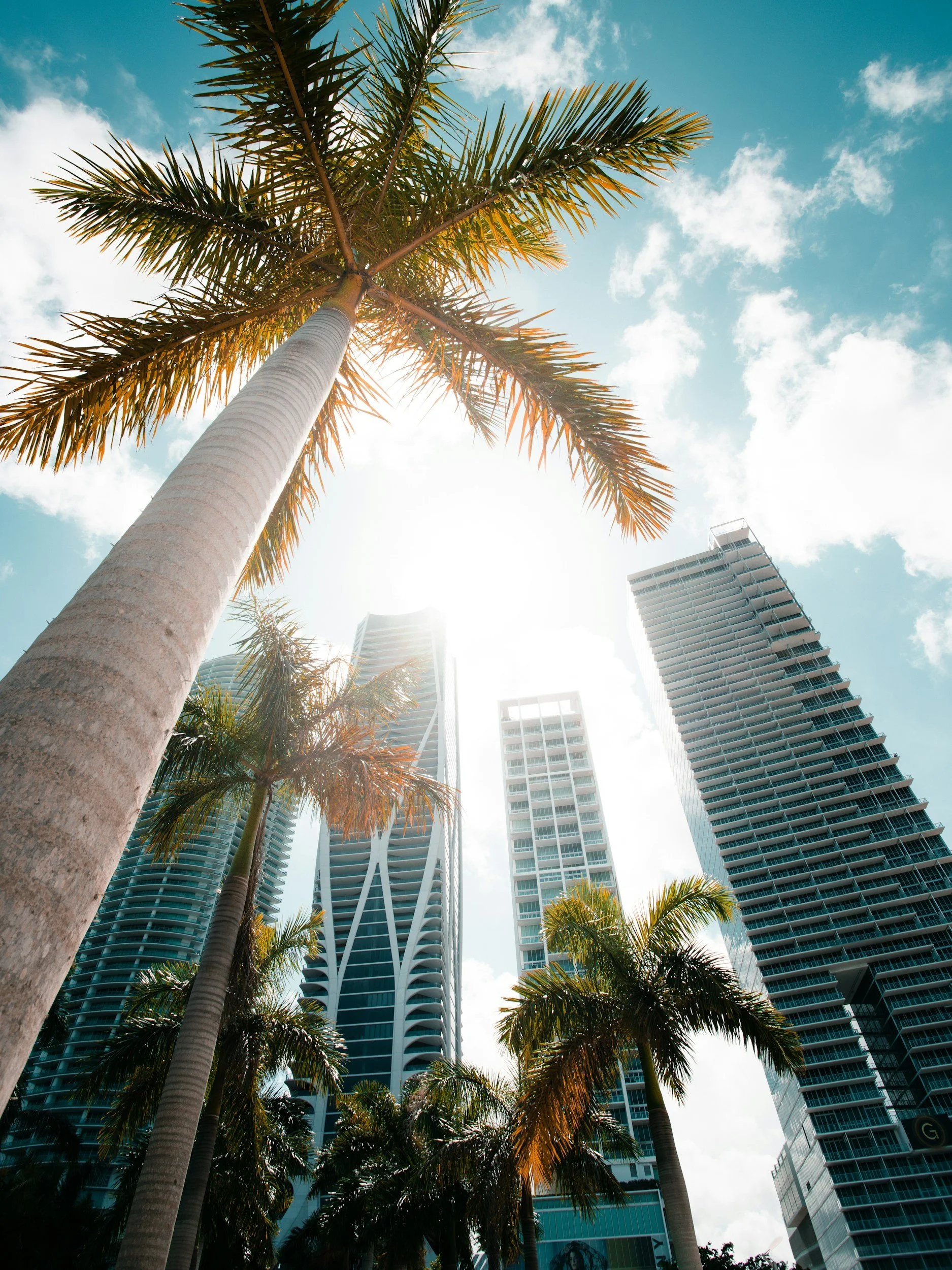
PRI does not sell Miami.
We filter it.